
STRIP CLADDING DEVICE
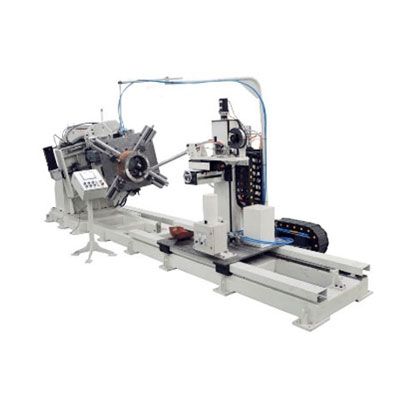
Strip Cladding Device (SCD) Machine: Precision, Productivity & Reliability
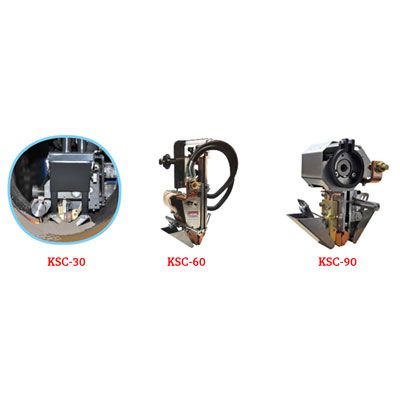
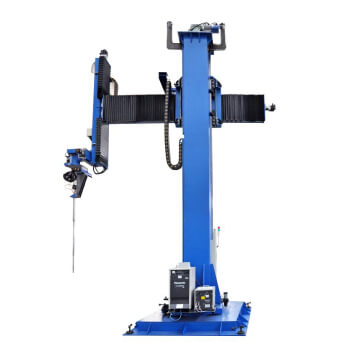
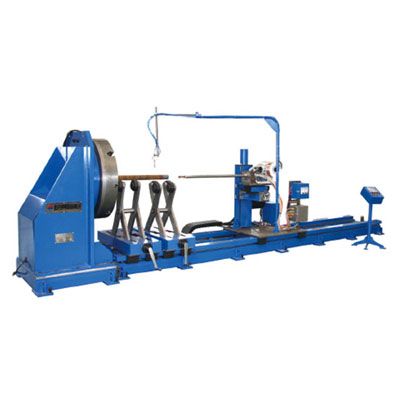
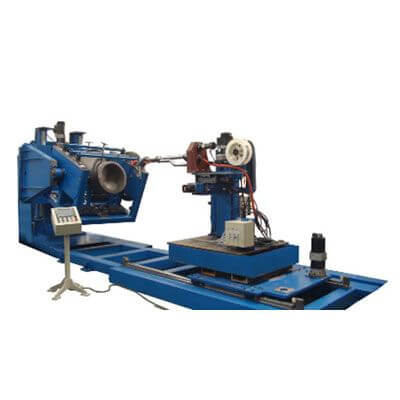
The Strip Cladding Device (SCD) Machine is a precision system designed for applying cladding in the form of metal strips onto pipes, tubes, or flat surfaces. This method is highly effective for creating thick, wear-resistant, and corrosion-resistant layers, making it ideal for chemical, petrochemical, power generation, and industrial piping applications.
The device ensures uniform deposition, precise alignment of cladding strips, and strong metallurgical bonding with minimal manual intervention. Strip Cladding Device (SCD) Machine is compatible with MIG, TIG, and Submerged Arc Welding (SAW) processes, depending on material and application requirements. Automated strip feeding and controlled torch movement significantly enhance productivity, accuracy, and repeatability.
Designed for high-performance industrial use, the Strip Cladding Device (SCD) Machine improves efficiency, reduces material waste, and ensures consistent cladding quality across large-scale production environments.
Key Features
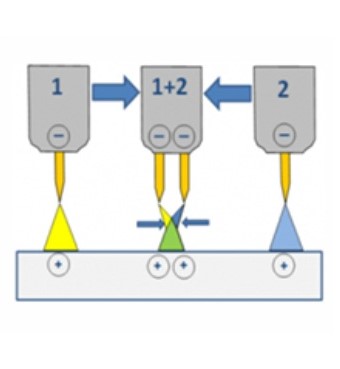
- The installation is for internal vertical hole or valve line automatic cladding. Cold TIG/hot wire TIG welding processes.
- Provides high-quality, low-dilution cladding with excellent metallurgical properties.
- Servo or hydraulic-controlled torch travel for precise deposition along the workpiece.
- User-friendly interface for programming parameters, monitoring deposition, and adjusting in real-time.
Frequently Asked Questions
What you should know
What is a Strip Cladding Device (SCD)?
A Strip Cladding Device (SCD) is an advanced welding automation system used to deposit a corrosion-resistant alloy strip onto a base metal surface. It is mainly used in industries like oil & gas, power plants, and petrochemicals to enhance durability and resistance against wear and corrosion.
How does a Strip Cladding Device work?
The device works by feeding a metal strip through a controlled welding process (such as submerged arc or electroslag welding). The strip is fused onto the base material, creating a strong metallurgical bond that improves surface properties without replacing the entire component.
What industries use Strip Cladding Machines?
Strip cladding machines are widely used in industries such as:
- Oil & Gas pipelines and storage tanks
- Chemical and petrochemical plants
- Power generation plants (boilers, heat exchangers)
- Pressure vessel manufacturing
These industries rely on cladding to protect equipment from extreme conditions.
What are the advantages of using Strip Cladding Devices?
Key advantages include:
- High corrosion and wear resistance
- Cost-effective compared to solid alloy components
- Strong metallurgical bonding
- Increased equipment lifespan
- Reduced maintenance and downtime
What materials can be used in Strip Cladding?
Common strip materials include stainless steel grades (like SS 316L, SS 309L), nickel-based alloys, cobalt alloys, and other special alloys. The material selection depends on the working environment and application requirements.
What is the difference between Strip Cladding and traditional coating?
Unlike coating, strip cladding creates a permanent metallurgical bond between the strip and base metal using welding. This makes it much stronger, more durable, and resistant to peeling, even under high temperature and pressure conditions.