
NARROW GAP WELDING
Advanced Narrow Gap Welding Technology for Thick Materials
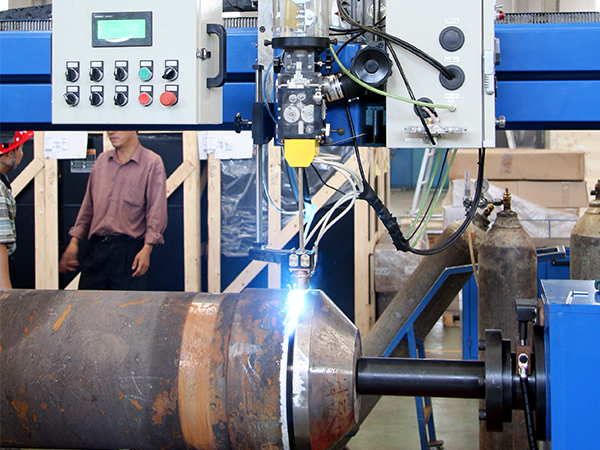
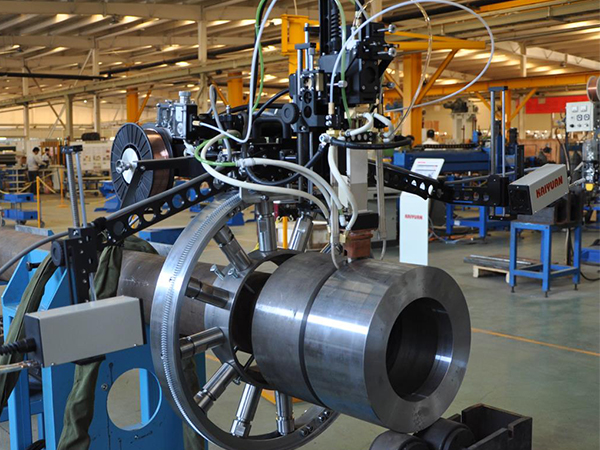
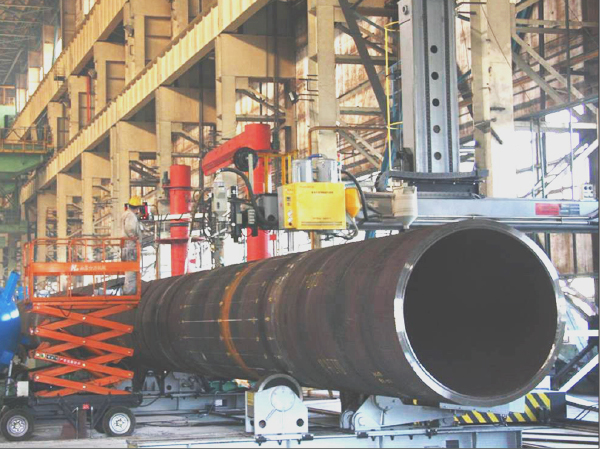
Narrow Gap Welding (NGW) is a specialized welding technique designed to efficiently join thick materials—typically those over 50 mm in thickness—by utilizing a reduced groove width. This approach minimizes the amount of filler material required and reduces welding time, making it both cost-effective and suitable for high-precision applications.
Narrow Gap Welding involves preparing a joint with a narrow groove, often as small as 3 degrees in bevel angle, compared to the standard 37.5 degrees. This design allows for deeper penetration with fewer passes, resulting in reduced filler metal consumption and shorter welding times. The technique is particularly advantageous for welding thick materials, such as pressure vessels, nuclear power plant components, and heavy structural elements.

NARROW GAP WELDING Product
Frequently Asked Questions
What you should know
What is Narrow Gap Welding?
Narrow gap welding is an advanced welding technique used for joining thick materials by using a very narrow groove between the workpieces. This reduces weld metal consumption, speeds up the process, and improves efficiency compared to conventional welding methods.
Where is Narrow Gap Welding commonly used?
Narrow gap welding is widely used in heavy industries such as pressure vessel manufacturing, power plants, shipbuilding, pipelines, nuclear components, and heavy structural fabrication where thick metal sections need high-quality welds.
What are the main advantages of Narrow Gap Welding?
The key advantages include reduced filler material usage, lower welding time, improved dimensional accuracy, less heat input, reduced distortion, and higher productivity in thick-section welding applications.
Which materials can be welded using Narrow Gap Welding?
Narrow gap welding is suitable for carbon steel, stainless steel, alloy steel, duplex steel, and other high-strength metals commonly used in industrial and structural applications.
How does Narrow Gap Welding improve weld quality?
It improves weld quality by minimizing heat input, ensuring better sidewall fusion, reducing residual stress, and allowing precise control over each weld pass, resulting in stronger and more uniform weld joints.
What are the limitations of Narrow Gap Welding?
Some limitations include the need for specialized equipment, precise joint preparation, skilled operators, and higher initial setup costs compared to conventional welding methods.